Appetite regulation, satiety, and satisfaction are fundamental concepts that influence food choices, sustainable eating patterns, and cardiometabolic health. Understanding how these factors shape eating behaviors can help empower individuals seeking practical nutrition strategies that support long-term behavior change and overall well-being. Participants will examine emerging research on foods like avocados that may help promote satiety while supporting blood sugar management and weight management. Through evidence-based insights and real-world examples, clinicians will leave with an improved understanding of the “why” behind satisfying, nourishing meals and how members of the interdisciplinary care team can apply these concepts to support patient care.

This continuing education course explores the effects of elevated blood homocysteine levels, known as hyperhomocysteinemia, on health and disease risk. The biosynthesis of homocysteine will be reviewed.

This continuing education course will provide an overview of recent research related to the potential health benefits of beta-glucans in the areas of CVD risk factors and enhanced immune function.

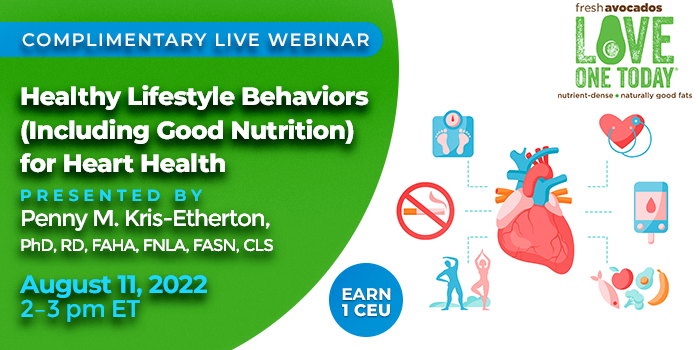
Cardiovascular disease (CVD) prevention and treatment have made tremendous strides over the past decades.

This continuing education course examines current research on triglycerides and provides recommendations and strategies RDs can use when counseling their clients on management and prevention of CVD.

This continuing education course examines the history of the use of statin medications, as well as the role RDs play in the management of patients with hyperlipidemia.

This continuing education course summarizes the current evidence about the health effects of different fats and oils and provides RDs with guidance about how to advise clients/patients about fats and oils.

Pages

Subscribe to RSS - Heart Health